
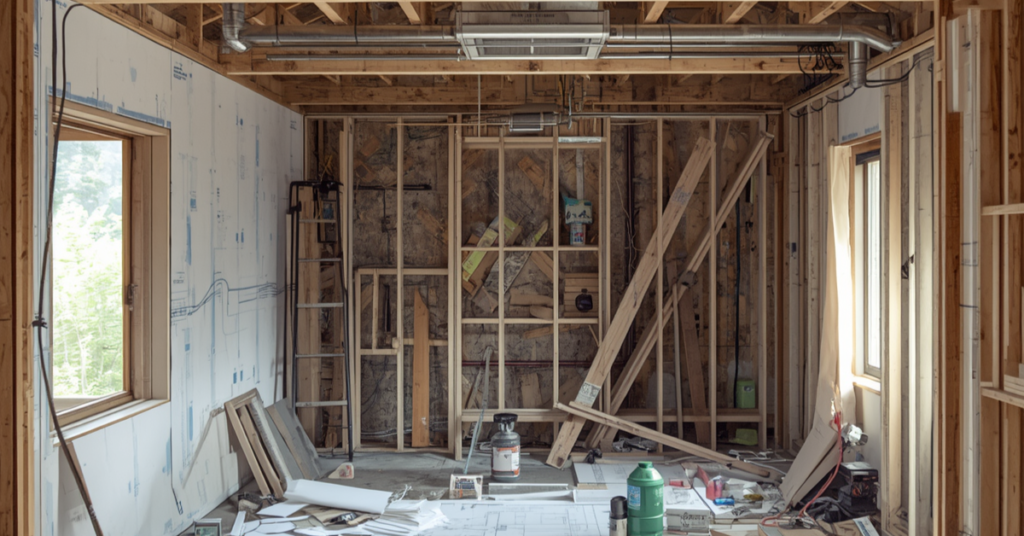
Home remodeling is one of the most rewarding investments you can make—but it can also become expensive and stressful if approached incorrectly. In 2026, with rising material costs, evolving design trends, and increasing demand for skilled labor, avoiding common remodeling mistakes is more important than ever.
Whether you’re planning a kitchen upgrade, a bathroom renovation, or a whole-home transformation in Central Oregon, understanding what not to do can save you time, money, and frustration. Below are the most common mistakes homeowners make—and how to avoid them.
1. Starting Without a Clear Plan
One of the biggest mistakes homeowners make is jumping into a remodel without a well-defined plan. This often leads to scope creep, unexpected expenses, and delays.
A successful remodel starts with clear goals:
- What do you want to achieve?
- What is your realistic budget?
- What features are must-haves vs. optional?
According to the Houzz 2026 U.S. Home Study, homeowners who plan extensively before starting are significantly more satisfied with their remodeling outcomes.
2. Underestimating the Budget
Budget miscalculations are one of the most common pitfalls in remodeling projects. Many homeowners only account for visible upgrades and forget about hidden costs such as:
- Structural repairs
- Permit fees
- Labor fluctuations
- Material price increases
Industry data from RubyHome remodeling statistics shows that a large percentage of projects exceed initial budgets due to poor cost forecasting.
A smart approach is to set aside at least 10–20% of your total budget as a contingency fund.
3. Choosing Trends Over Functionality
Design trends change quickly, but your home needs to function well for years to come. In 2026, trends like open shelving, ultra-minimalist kitchens, and bold finishes are popular—but not always practical.
As noted in The Spruce’s 2026 renovation trends report, homeowners are increasingly prioritizing functionality and longevity over purely aesthetic upgrades.
Before committing to a trend, ask:
- Will this still work for my lifestyle in 5–10 years?
- Is it easy to maintain?
- Does it add real value to my home?
4. Ignoring Energy Efficiency
Skipping energy-efficient upgrades during a remodel is a missed opportunity. Modern remodeling projects in 2026 increasingly focus on sustainability and long-term savings.
Energy-efficient improvements can include:
- Upgraded insulation
- Energy-efficient windows
- Smart thermostats
- Efficient lighting systems
Research from home improvement market trend reports highlights that energy-efficient upgrades are among the top priorities for homeowners due to rising utility costs.
5. Hiring the Wrong Contractor
Choosing a contractor based solely on the lowest bid is a risky decision. Poor workmanship, delays, and miscommunication often result from hiring unqualified or inexperienced contractors.
Instead, look for:
- Proven experience
- Transparent communication
- Strong local reputation
- Clear project timelines
Working with a trusted local professional like Cornerstone Residential LLC ensures your remodeling project is handled with expertise, accountability, and attention to detail.
6. Not Getting Proper Permits
Skipping permits might seem like a shortcut, but it can lead to serious legal and financial issues. Unpermitted work can:
- Delay home sales
- Result in fines
- Require costly corrections
Always ensure your remodeling project complies with local Central Oregon building codes and regulations.
7. Overlooking Storage Needs
Many homeowners focus on aesthetics and forget about storage. This leads to cluttered spaces and reduced functionality.
In 2026, smart storage solutions are a key part of modern remodeling. According to 2026 design trend insights, built-in storage and multi-functional spaces are becoming essential in home design.
Consider:
- Built-in cabinetry
- Hidden storage compartments
- Efficient closet systems
8. Making Last-Minute Changes
Changing your mind mid-project can significantly impact both cost and timeline. Even small changes can require:
- New materials
- Additional labor
- Revised plans
This is why having a finalized design before construction begins is critical. Frequent changes can quickly derail even the best-planned projects.
9. Prioritizing Appearance Over Quality Materials
Choosing cheaper materials to save money often leads to higher long-term costs due to repairs and replacements.
High-quality materials:
- Last longer
- Require less maintenance
- Improve overall home value
A report from the U.S. remodeling industry analysis emphasizes that durability and quality are driving homeowner decisions in 2026.
10. Not Thinking About Resale Value
Even if you plan to stay in your home long-term, it’s wise to consider resale value. Overly personalized or niche design choices can limit your home’s appeal to future buyers.
Focus on:
- Neutral, timeless designs
- Functional layouts
- High-ROI upgrades like kitchens and bathrooms
These improvements consistently deliver strong returns, as highlighted in multiple housing studies and market analyses.
Final Thoughts
Remodeling your home in 2026 is an exciting opportunity—but it requires careful planning and informed decision-making. By avoiding these common mistakes, you can ensure your project stays on budget, on schedule, and aligned with your long-term goals.
From planning and budgeting to execution and finishing touches, every step matters. Partnering with a trusted, experienced professional makes all the difference.
If you’re considering a remodel in Central Oregon, working with Cornerstone Residential LLC ensures your project is handled with precision, transparency, and craftsmanship you can rely on.