
Homeowners across the United States—and especially in growing regions like Central Oregon—are asking the same question in 2026: Is now the right time to remodel, or should we wait? With shifting interest rates, evolving housing supply conditions, and continued demand for upgraded living spaces, the decision to remodel is more strategic than ever.
While market conditions fluctuate, remodeling remains one of the most consistent ways to improve both home functionality and long-term property value. This article breaks down the 2026 housing market outlook, renovation trends, and what homeowners should consider before starting a remodeling project.
For homeowners seeking professional remodeling guidance, you can learn more at
https://cornerstoneresidentialllc.com
2026 Housing Market Overview: What Homeowners Should Know
The U.S. housing market in 2026 continues to show a mix of stabilization and constrained supply. After several years of volatility, experts note that inventory remains relatively tight in many regions, keeping home values supported even as price growth moderates.
According to industry projections, remodeling activity is expected to remain strong through 2026 due to homeowners choosing to upgrade rather than move. The U.S. residential remodeling sector is projected to maintain steady growth driven by modernization needs, energy efficiency upgrades, and lifestyle-driven renovations.
Source: https://www.globenewswire.com/news-release/2026/04/17/3276359/0/en/united-states-residential-remodeling-industry-report-2025-2033-modernization-trends-energy-efficient-upgrades-and-demand-for-aesthetic-improvements-driving-growth.html
Similarly, national research shows that homeowners are continuing to invest in improvements despite economic uncertainty, largely because moving costs remain high and inventory is limited.
Source: https://www.houzz.com/magazine/2026-u-s-houzz-and-home-study-renovation-trends-stsetivw-vs~185090855
Why Remodeling Demand Remains Strong in 2026
There are several key reasons why remodeling remains a strong investment decision in 2026:
1. Homeowners Are Staying Put Longer
With higher mortgage rates compared to previous years, many homeowners are choosing to renovate rather than relocate. Remodeling allows families to adapt existing homes to changing needs without giving up favorable financing.
2. Rising Home Equity Supports Renovation Spending
Many homeowners still hold significant equity gains from previous years of appreciation. This equity is frequently being reinvested into kitchens, bathrooms, and full-home upgrades.
3. Lifestyle Changes Continue to Drive Renovations
Remote work, multi-generational living, and wellness-focused design trends continue to reshape how homes are used. This has led to increased demand for functional remodeling projects such as home offices, expanded kitchens, and flexible living spaces.
Remodeling vs. Moving: A Financial Perspective
One of the biggest questions homeowners face is whether remodeling is more cost-effective than moving. In many 2026 scenarios, remodeling is financially favorable due to:
- High closing costs associated with selling and buying homes
- Limited housing inventory in desirable neighborhoods
- Competitive pricing for move-in-ready homes
A growing number of homeowners are choosing to invest in existing properties instead of entering competitive real estate markets. Industry analysis confirms that renovation spending continues to outpace expectations as homeowners prioritize long-term value over relocation.
Source: https://nypost.com/2025/11/25/real-estate/lowes-ceo-marvin-ellison-predicts-home-renovation-on-the-rise-in-2026/
What Types of Remodeling Projects Are Trending in 2026
If you are considering whether now is the right time to remodel, it helps to understand where homeowners are investing most.
Kitchen Remodeling
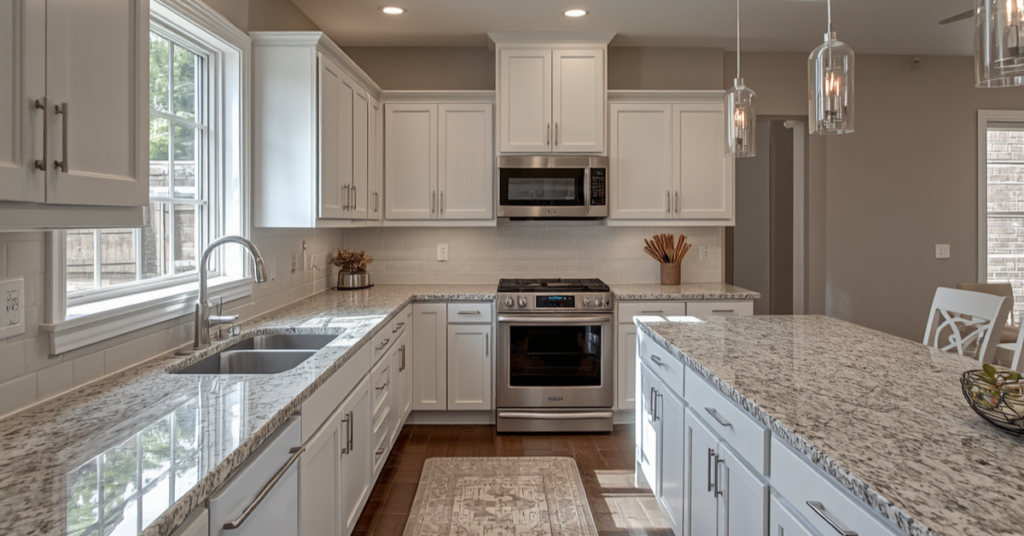
Kitchens remain the most valuable remodeling project in terms of return on investment and daily usability. Modern layouts, energy-efficient appliances, and open concepts continue to dominate.
Bathroom Upgrades
Spa-inspired bathrooms are increasingly popular, with homeowners focusing on comfort, lighting, and water efficiency.
Energy Efficiency Improvements
With rising energy awareness, homeowners are investing in insulation, windows, HVAC upgrades, and smart home systems.
Source for energy efficiency trends: https://jjbhome.com/growing-home-improvement-market-stats-trends-homeowners/
Central Oregon Market Considerations
In Central Oregon, remodeling decisions are influenced by a unique combination of climate, lifestyle, and housing demand. Homes in the region often benefit from upgrades that improve insulation, durability, and year-round comfort.
Because inventory remains competitive in desirable Oregon communities, homeowners frequently find greater long-term value in upgrading their current property rather than entering the market to purchase a new one.
Timing Your Remodel: Is 2026 a Good Year?
Based on current housing and renovation trends, 2026 is generally a favorable time to remodel for several reasons:
- Remodeling demand remains strong, supporting home value retention
- Supply chain conditions have stabilized compared to previous years
- Homeowners are prioritizing long-term improvements over relocation
- Energy-efficient upgrades may provide ongoing cost savings
However, the “right time” to remodel ultimately depends on personal goals, budget readiness, and project scope. Market conditions can support a decision, but they should not be the only factor.
Final Takeaway
So, is now the right time to remodel in 2026?
For many homeowners, the answer is yes—especially for those who plan to stay in their home for several years. With continued housing constraints, strong renovation demand, and rising emphasis on efficiency and livability, remodeling remains one of the most practical ways to increase both comfort and property value.
If you are considering a renovation in Central Oregon and want expert insight tailored to your home and goals, visit
https://cornerstoneresidentialllc.com
A well-planned remodel today can position your home for long-term value and adaptability in an evolving housing market.