
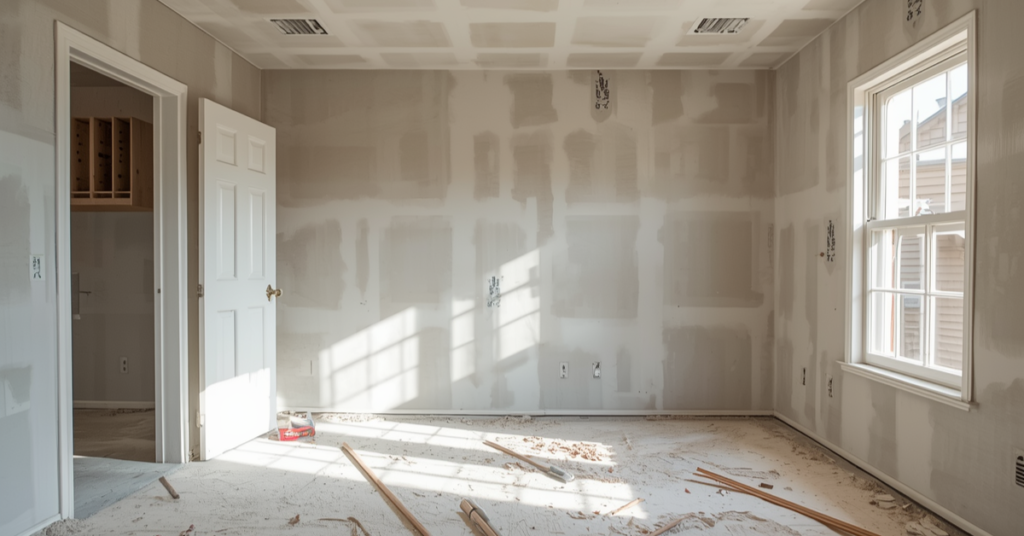
Small homes are no longer viewed as a limitation—they are increasingly seen as an opportunity for smarter living. In 2026, rising housing costs, shifting lifestyle preferences, and the demand for energy-efficient living have pushed more homeowners to rethink how they use space rather than simply expand it. According to housing research from Harvard’s Joint Center for Housing Studies, remodeling demand continues to grow as homeowners prioritize upgrades that improve functionality over square footage expansion.
Source: https://www.jchs.harvard.edu/blog/remodeling-growth-set-downshift-late-2026
For homeowners in Central Oregon, compact living is especially relevant. Whether it’s a smaller single-family home, a cabin-style residence, or a modern urban build, maximizing every square foot is essential. Thoughtful remodeling can dramatically improve comfort, storage, and livability without requiring major structural expansion.
For professional support in transforming compact homes into highly functional spaces, you can explore services from Cornerstone Residential LLC:
https://cornerstoneresidentialllc.com
The 2026 Shift Toward Smarter Space Usage
Modern remodeling trends show a clear shift away from large-scale expansions and toward intelligent interior redesign. The 2026 Houzz & Home Study highlights that homeowners are prioritizing functionality, storage optimization, and multi-purpose rooms over building larger homes.
Source: https://www.houzz.com/magazine/2026-u-s-houzz-and-home-study-renovation-trends-stsetivw-vs~185090855
This trend is especially important for compact homes where every inch matters. Instead of adding square footage, homeowners are investing in:
- Flexible layouts
- Built-in storage solutions
- Multi-functional furniture integration
- Open visual flow between rooms
Open Layouts That Actually Work in Small Homes
While open floor plans have been popular for years, 2026 design research suggests a more balanced approach: partial openness with defined functionality. Completely removing walls is no longer always the best solution for small homes. Instead, designers are using partial dividers, glass partitions, and strategic furniture placement to maintain openness without sacrificing structure.
According to The Spruce’s 2026 design trends report, zoning spaces visually—rather than structurally—is one of the most effective strategies for compact homes.
Source: https://www.thespruce.com/2026-renovation-trends-11898547
For example:
- A kitchen island can define cooking space without closing off the room
- Sliding glass panels can separate office space without blocking light
- Open shelving can divide areas while maintaining visibility
This approach ensures that small homes feel open but still organized.
Built-In Storage: The Foundation of Small Space Remodeling
One of the most effective ways to maximize compact homes is through built-in storage. Unlike standalone furniture, built-ins are designed to use unused architectural space such as wall cavities, staircases, and corners.
Popular built-in solutions include:
- Floor-to-ceiling shelving
- Under-stair storage drawers
- Window seat storage benches
- Recessed bathroom cabinets
These solutions eliminate clutter while maintaining a clean visual environment. In smaller homes, reducing visual noise is just as important as increasing physical storage.
The growing emphasis on storage efficiency is supported by remodeling trend data showing that homeowners consistently prioritize organization improvements during renovation projects.
Source: https://www.greatdayimprovements.com/wp-content/uploads/sites/2/2026/01/2026-State-of-Home-Renovation-Report.pdf
Multi-Functional Rooms: Doing More With Less Space
A major 2026 trend is the rise of multi-functional living spaces. Instead of assigning one purpose per room, homeowners are designing rooms that serve multiple roles throughout the day.
Examples include:
- Guest rooms that double as home offices
- Living rooms with hidden workstations
- Dining areas with foldable or extendable furniture
- Bedrooms with integrated reading or workspace corners
This flexibility is especially valuable in compact homes where dedicated rooms for every activity are not realistic.
The key to success is integration—designing storage and furniture that adapts rather than overwhelms the space.
Light, Color, and Visual Expansion Techniques
In small homes, perception is just as important as layout. Strategic use of light and color can make compact spaces feel significantly larger.
Design experts consistently recommend:
- Light neutral color palettes to reflect natural light
- Large windows or unobstructed window treatments
- Mirrors to visually double space
- Consistent flooring throughout rooms to reduce visual breaks
Natural lighting is particularly important in Central Oregon, where seasonal light variations can affect interior atmosphere. Maximizing daylight reduces the need for artificial lighting and improves perceived space.
Kitchen and Bathroom Optimization in Compact Homes
Kitchens and bathrooms are often the most space-constrained areas in smaller homes, making them top priorities for remodeling.
In kitchens:
- Vertical cabinetry maximizes storage
- Slim-profile appliances reduce footprint
- Pull-out pantry systems improve accessibility
In bathrooms:
- Wall-mounted vanities free floor space
- Glass showers replace bulky enclosures
- Recessed shelving eliminates protruding storage units
These design choices significantly improve usability without expanding the room’s footprint.
Smart Remodeling Technology for Small Spaces
Technology is increasingly playing a role in space optimization. Smart home features reduce the need for physical switches, controls, and bulky systems.
Examples include:
- Voice-controlled lighting systems
- Smart thermostats mounted discreetly
- Hidden charging stations built into furniture
- Automated storage or lift systems in modern cabinetry
These innovations help maintain clean, uncluttered interiors while improving convenience.
The Value of Professional Remodeling for Compact Homes
While DIY improvements can help, maximizing small spaces often requires professional design planning. Small homes have less margin for error—poor layout decisions can quickly lead to wasted space or reduced functionality.
Professional remodeling ensures:
- Efficient use of every square foot
- Proper structural planning for built-ins
- Compliance with building codes
- Cohesive design flow throughout the home
Homeowners looking to enhance compact living spaces in Central Oregon can learn more about tailored remodeling solutions here:
https://cornerstoneresidentialllc.com
Final Thoughts
Maximizing small spaces is no longer about compromise—it’s about intentional design. In 2026, the most successful compact homes are those that prioritize adaptability, storage efficiency, and visual openness over sheer size.
From built-in storage and multi-functional rooms to smart lighting and optimized layouts, remodeling offers powerful ways to transform small homes into highly functional and comfortable living environments.
With thoughtful planning and modern design strategies, even the most compact home can feel spacious, organized, and fully aligned with today’s lifestyle needs.