
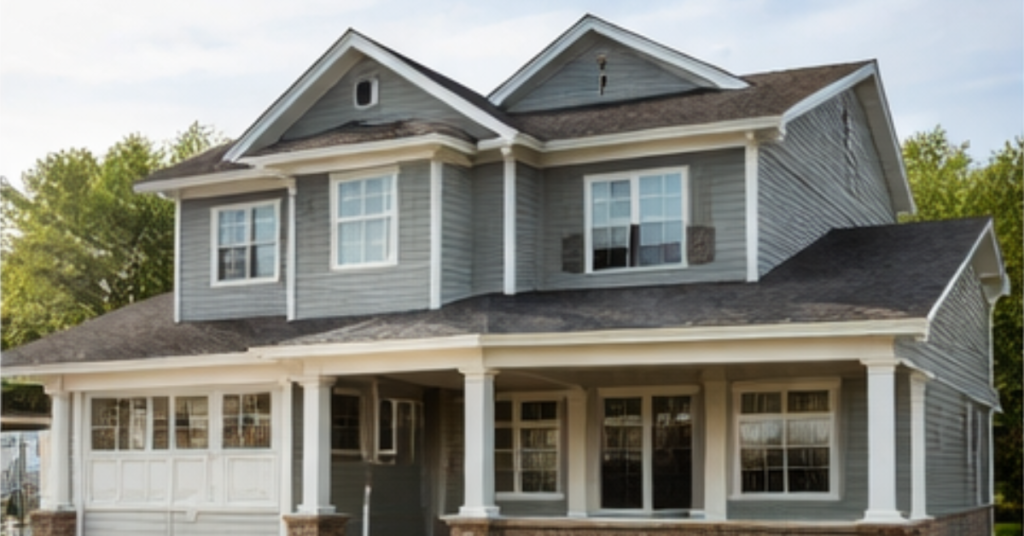
Home additions remain one of the most effective ways for Central Oregon homeowners to increase living space, improve functionality, and boost long-term property value without leaving their neighborhood. As housing demand continues to shift in 2026, many homeowners in Bend, Redmond, Sisters, and surrounding areas are choosing to expand rather than relocate.
This guide breaks down everything you need to know about home additions in Central Oregon, including realistic cost expectations, permitting requirements, and design ideas that align with modern living trends.
For homeowners ready to take the next step, you can also explore services and planning support from Cornerstone Residential.
Why Home Additions Are Growing in Central Oregon
Central Oregon’s housing market has remained competitive, with limited inventory and rising home prices pushing many residents toward renovation and expansion instead of buying new homes. Home additions are especially popular because they allow homeowners to:
- Add bedrooms or offices without moving
- Create multi-generational living spaces
- Increase resale value
- Customize layouts for modern lifestyles
- Improve energy efficiency when combined with upgrades
According to national housing and building data, remodeling activity continues to increase as homeowners prioritize long-term investment in existing properties rather than relocating.
Cost of Home Additions in Central Oregon (2026)
The cost of a home addition in Central Oregon varies widely based on size, materials, structural complexity, and site conditions. However, most projects in 2026 fall within these general ranges:
Small additions (200–400 sq. ft.)
- Estimated range: $60,000 – $120,000
- Common uses: office, small bedroom, sunroom
Mid-size additions (400–800 sq. ft.)
- Estimated range: $120,000 – $250,000
- Common uses: primary suite, expanded living room, guest suite
Large additions (800+ sq. ft.)
- Estimated range: $250,000 – $500,000+
- Common uses: full second-story additions, multi-room expansions
Several factors influence total cost:
- Site accessibility and terrain (common in Central Oregon’s varied landscape)
- Foundation requirements
- Plumbing and electrical expansion
- Energy efficiency requirements
- Finish level (standard vs. high-end materials)
For national cost context and remodeling benchmarks, homeowners often refer to updated construction cost indices and building reports such as those published by the U.S. Census Bureau Construction Spending Reports.
Permits and Requirements in Central Oregon
Before beginning any home addition, proper permitting is required. In Central Oregon, permit regulations vary slightly depending on jurisdiction, but generally fall under city or county building departments.
Key permitting authorities include:
- City of Bend Building Division
- Deschutes County Building Services
- Oregon Building Codes Division
Each authority ensures that additions meet safety codes, zoning rules, and structural requirements.
Common permit requirements include:
- Building permit application
- Site plan showing property boundaries and proposed structure
- Structural engineering (for larger additions)
- Electrical, plumbing, and mechanical permits
- Energy code compliance documentation
Zoning rules may also impact what you can build, especially regarding setbacks, height restrictions, and lot coverage.
For official permitting guidance, homeowners should review:
Failing to obtain proper permits can result in delays, fines, or complications when selling your home, so early planning is essential.
Popular Home Addition Design Ideas for 2026
Design trends in 2026 emphasize functionality, sustainability, and flexible living spaces. In Central Oregon, where outdoor lifestyle and scenic views are major priorities, additions are increasingly designed to blend indoor and outdoor environments.
1. Primary Suite Expansions
Homeowners are upgrading bedrooms into full luxury suites with walk-in closets, spa-style bathrooms, and large windows for natural light.
2. Home Office Additions
Remote and hybrid work continue to drive demand for quiet, dedicated office spaces separate from main living areas.
3. Multi-Generational Living Spaces
Separate entrances, kitchenette additions, and private living quarters are increasingly common for extended families.
4. Sunrooms and Indoor-Outdoor Extensions
Large glass walls, vaulted ceilings, and energy-efficient windows help bring Central Oregon’s natural landscape into the home.
5. Garage Conversions and Bonus Rooms
Unfinished or underused garage spaces are being transformed into livable square footage, especially for guest rooms or studios.
Timeline for a Home Addition Project
While every project is different, a typical home addition in Central Oregon follows this general timeline:
Planning and Design (4–10 weeks)
- Site evaluation
- Architectural design
- Budget planning
Permitting (4–12+ weeks)
- Submission of plans
- City or county review
- Revisions if needed
Construction (3–6 months)
- Foundation and framing
- Mechanical systems installation
- Interior finishes
Weather conditions in Central Oregon can also affect construction schedules, particularly during winter months.
Tips for a Successful Home Addition
To ensure a smooth project from start to finish:
- Plan for contingencies in both budget and timeline
- Prioritize energy efficiency (important in Central Oregon’s climate)
- Ensure proper zoning compliance before design finalization
- Choose layouts that integrate naturally with existing structure
- Work with experienced local professionals familiar with regional codes
A well-planned addition not only increases comfort but can also significantly improve long-term property value.
Final Thoughts
Home additions in Central Oregon continue to be one of the most strategic ways to expand living space and enhance property value in 2026. Whether you are adding a new primary suite, expanding your kitchen, or building a multi-use space, success depends on thoughtful planning, accurate budgeting, and compliance with local permitting regulations.
For homeowners looking to explore a custom approach to their next project, Cornerstone Residential offers a strong starting point for planning and execution.