
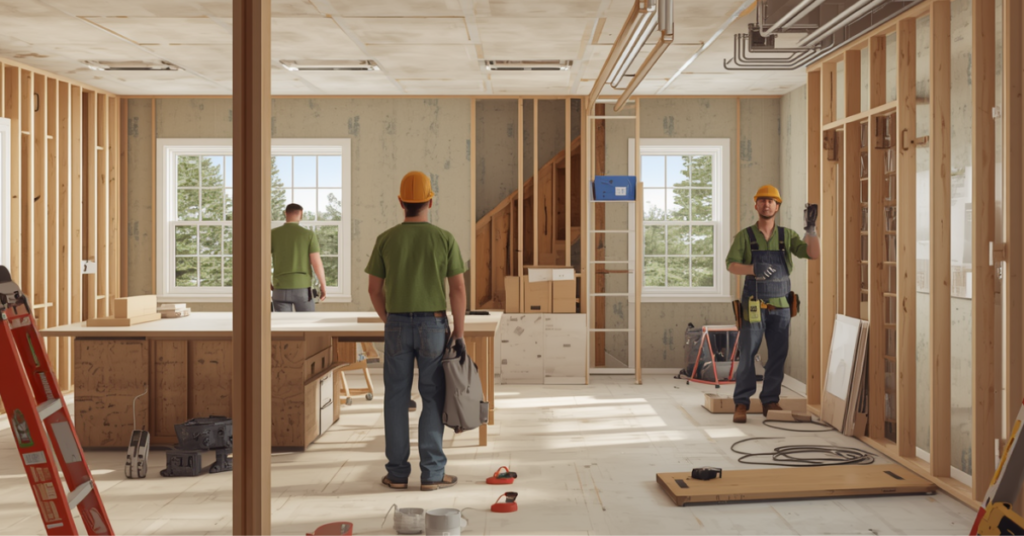
Sustainability is no longer just a trend—it’s a priority for homeowners across Oregon. With rising energy costs, increased environmental awareness, and a desire for healthier living spaces, more homeowners are turning to eco-friendly remodeling solutions. Choosing the right sustainable materials can significantly reduce your home’s environmental impact while improving durability, efficiency, and long-term value.
At Cornerstone Residential LLC, sustainable remodeling is about combining smart material choices with thoughtful design to create homes that are both beautiful and environmentally responsible.
Why Sustainable Remodeling Matters in Oregon
Oregon homeowners are uniquely positioned to benefit from eco-friendly remodeling. The region’s climate—ranging from wet winters to dry summers—makes energy efficiency and moisture-resistant materials especially important. Sustainable remodeling helps:
- Lower energy consumption
- Reduce utility bills
- Improve indoor air quality
- Minimize environmental impact
According to the Harvard Joint Center for Housing Studies, demand for energy-efficient upgrades continues to grow as homeowners prioritize long-term savings and environmental responsibility.
Top Sustainable Remodeling Materials to Consider
1. Reclaimed and Recycled Wood
Reclaimed wood is one of the most popular sustainable materials for remodeling projects. Sourced from old barns, factories, or deconstructed homes, it reduces the need for new lumber and prevents waste from ending up in landfills.
Benefits include:
- Unique character and aesthetic appeal
- Reduced deforestation
- Strong, durable material
Reclaimed wood works well for flooring, beams, cabinetry, and accent walls—adding warmth and authenticity to any Oregon home.
2. Bamboo Flooring
Bamboo is a rapidly renewable resource that grows much faster than traditional hardwoods. It offers a similar look and durability while being significantly more sustainable.
Advantages:
- Fast-growing and renewable
- مقاistant to moisture and wear
- Modern, clean appearance
It’s especially suitable for high-traffic areas and homes aiming for a contemporary, eco-conscious design.
3. Low-VOC Paints and Finishes
Traditional paints and finishes often contain volatile organic compounds (VOCs), which can negatively affect indoor air quality. Low-VOC and zero-VOC products reduce harmful emissions and create a healthier living environment.
The U.S. Environmental Protection Agency (EPA) highlights that reducing VOC exposure can significantly improve indoor air quality and overall health.
Using low-VOC materials is especially important during whole-home remodels, where air quality can be impacted for extended periods.
4. Recycled Metal and Steel
Metal materials, particularly steel and aluminum, are highly recyclable and can be reused multiple times without losing strength. They are commonly used in structural elements, roofing, and fixtures.
Why choose recycled metal:
- Extremely durable and long-lasting
- مقاistant to pests and fire
- Reduces demand for raw material extraction
These materials are ideal for homeowners seeking longevity and low maintenance.
5. Energy-Efficient Insulation
Proper insulation is critical in Oregon homes, where temperature fluctuations can impact energy use. Sustainable insulation options include:
- Cellulose (made from recycled paper)
- Sheep’s wool
- Cotton (recycled denim)
These materials not only improve energy efficiency but also reduce environmental impact compared to traditional fiberglass insulation.
The U.S. Department of Energy notes that effective insulation can significantly lower heating and cooling costs, making it one of the most impactful upgrades in a remodel.
6. Recycled Glass Countertops
Recycled glass countertops are a stylish and eco-friendly alternative to traditional stone surfaces. Made from repurposed glass embedded in cement or resin, they offer a unique look while reducing waste.
Key benefits:
- Non-porous and easy to maintain
- Visually distinctive
- Environmentally responsible
They’re an excellent choice for kitchens and bathrooms aiming for both sustainability and design appeal.
7. Sustainably Sourced Stone
Natural stone can still be a sustainable option when responsibly sourced. Look for suppliers that prioritize ethical quarrying and reduced transportation emissions.
Durable materials like granite and quartzite offer:
- Long lifespan
- Minimal maintenance
- Timeless appearance
Choosing locally sourced stone when possible further reduces environmental impact.
Water-Saving Fixtures and Materials
Sustainability goes beyond structural materials. Incorporating water-efficient fixtures during a remodel can significantly reduce water usage.
Examples include:
- Low-flow faucets and showerheads
- Dual-flush toilets
- Water-efficient appliances
The EPA WaterSense Program provides guidelines for selecting products that conserve water without sacrificing performance.
Designing for Longevity
One of the most overlooked aspects of sustainable remodeling is durability. Materials that last longer reduce the need for future replacements, minimizing waste and cost over time.
Focus on:
- High-quality craftsmanship
- Timeless design choices
- مقاistant materials suited to Oregon’s climate
A well-planned remodel ensures that your home remains efficient and functional for decades.
The Role of Professional Guidance
Selecting sustainable materials requires careful planning and expertise. Factors like climate, budget, and long-term performance all play a role in determining the best options for your home.
Working with an experienced team like Cornerstone Residential LLC ensures that every material and design choice aligns with your sustainability goals while maintaining quality and aesthetic appeal.
Final Thoughts
Sustainable remodeling is an investment in your home, your health, and the environment. By choosing eco-friendly materials such as reclaimed wood, bamboo flooring, low-VOC finishes, and energy-efficient insulation, Oregon homeowners can create spaces that are both functional and environmentally responsible.
As demand for green building continues to grow, incorporating sustainable materials into your remodeling project is not only a smart choice—it’s a future-proof one. With thoughtful planning and the right expertise, you can transform your home into a space that reflects both your values and your vision.