
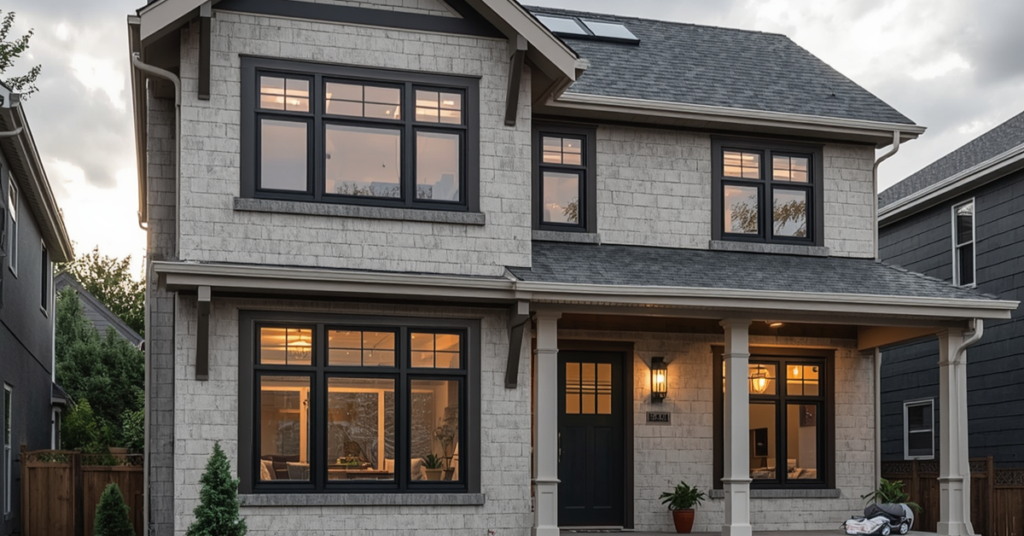
Aging-in-place remodeling has become one of the most important residential design movements in 2026, especially as homeowners increasingly choose to stay in their homes longer rather than relocate. Instead of waiting until mobility challenges arise, more people are proactively redesigning their living spaces to support long-term independence, safety, and comfort.
In Central Oregon and beyond, this approach is no longer a niche consideration—it is a practical, value-driven investment in quality of life. According to the AARP, nearly 75% of adults over 50 prefer to remain in their current homes as they age, making proactive home modifications essential for long-term livability.
Source: AARP Aging in Place Research
Aging-in-place remodeling focuses on adapting a home so residents can live safely and independently regardless of age or physical ability. This includes accessibility improvements, safety enhancements, and thoughtful design changes that blend functionality with aesthetics.
For homeowners planning ahead in 2026, working with experienced professionals such as Cornerstone Residential LLC ensures these upgrades are not only functional but also seamlessly integrated into the home’s existing design. Learn more here: https://cornerstoneresidentialllc.com
Why Aging-in-Place Remodeling Matters in 2026
The demand for aging-in-place design is being driven by multiple demographic and economic factors. The U.S. Census Bureau reports that the 65+ population continues to grow rapidly, with projections showing nearly 1 in 5 Americans will be over 65 by 2030.
Source: U.S. Census Bureau – Older Population Trends
At the same time, healthcare costs and assisted living expenses continue to rise, making home modifications a more cost-effective long-term solution. The CDC also highlights the importance of fall prevention at home, noting that one in four older adults experiences a fall each year.
Source: CDC Fall Prevention Resources
These trends underscore a simple reality: homes designed with accessibility in mind are safer, more valuable, and more adaptable for the future.
Key Features of Aging-in-Place Remodeling
A successful aging-in-place remodel is not about making a home look clinical or institutional. Instead, it focuses on subtle, functional upgrades that enhance usability while maintaining comfort and style.
1. Step-Free Entryways
Eliminating steps at entrances improves accessibility for all residents, including those using walkers or wheelchairs. A zero-threshold entry also reduces fall risk and makes daily movement easier.
2. Bathroom Safety Enhancements
Bathrooms are one of the most common locations for household injuries. Upgrades often include:
- Walk-in showers with no curb
- Slip-resistant flooring
- Grab bars integrated into design
- Comfort-height toilets
The National Institute on Aging emphasizes bathroom safety as a critical factor in independent living.
Source: National Institute on Aging Home Safety Guide
3. Wider Doorways and Hallways
Standard door widths can become restrictive over time. Expanding doorways improves wheelchair accessibility and overall mobility within the home.
4. Improved Lighting Design
Proper lighting reduces fall risks and improves visibility. This includes:
- Motion-sensor lighting
- Under-cabinet task lighting
- Brighter stairway illumination
5. Lever-Style Door Handles and Faucets
Replacing knobs with lever handles makes doors and fixtures easier to operate for individuals with reduced grip strength or arthritis.
6. Smart Home Integration
Technology plays a growing role in aging-in-place design. Voice-activated systems, remote-controlled thermostats, and automated lighting improve convenience and safety.
Design That Blends Safety and Style
One of the biggest misconceptions about aging-in-place remodeling is that it sacrifices aesthetics for function. In 2026, that is no longer the case.
Modern design approaches integrate accessibility features into the overall style of the home. For example, walk-in showers can be designed with frameless glass and luxury tile, while grab bars now come in decorative finishes that match faucets and hardware.
According to the Joint Center for Housing Studies at Harvard University, demand for high-quality, design-conscious remodeling continues to grow as homeowners prioritize both livability and aesthetics.
Source: Harvard Joint Center for Housing Studies
Planning an Aging-in-Place Remodel
A successful project begins with careful planning. Homeowners should consider both current needs and potential future requirements. This includes evaluating mobility, household size, and long-term lifestyle goals.
A professional evaluation often identifies areas of improvement that homeowners may overlook, such as hallway turning radius, lighting placement, or entryway grading.
It is also important to prioritize renovations based on urgency and impact. Bathroom safety and entry accessibility are typically top priorities, followed by kitchen usability and bedroom layout adjustments.
Working with a trusted residential remodeling professional ensures that changes are structurally sound, code-compliant, and tailored to the specific home layout.
The Long-Term Value of Aging-in-Place Design
Beyond safety and comfort, aging-in-place remodeling can significantly increase home value. Homes with accessibility features appeal to a wider range of buyers, including multigenerational families and individuals planning long-term residency.
As the population continues to age, demand for accessible housing is expected to rise steadily. The National Association of Home Builders notes that universal design features are becoming increasingly desirable in the housing market.
Source: National Association of Home Builders – Housing Economics
This means homeowners who invest in aging-in-place improvements today are not only enhancing their own quality of life but also positioning their property for stronger long-term market appeal.
Final Thoughts
Aging-in-place remodeling in 2026 is about more than accessibility—it is about independence, dignity, and future readiness. With thoughtful planning and the right design approach, homeowners can create spaces that support them through every stage of life without compromising comfort or style.
For homeowners in Central Oregon looking to begin planning their long-term home transformation, Cornerstone Residential LLC provides guidance and remodeling solutions tailored to evolving needs:
https://cornerstoneresidentialllc.com
By investing in smart, forward-thinking home improvements today, you ensure your home remains a safe, functional, and welcoming place for years to come.