
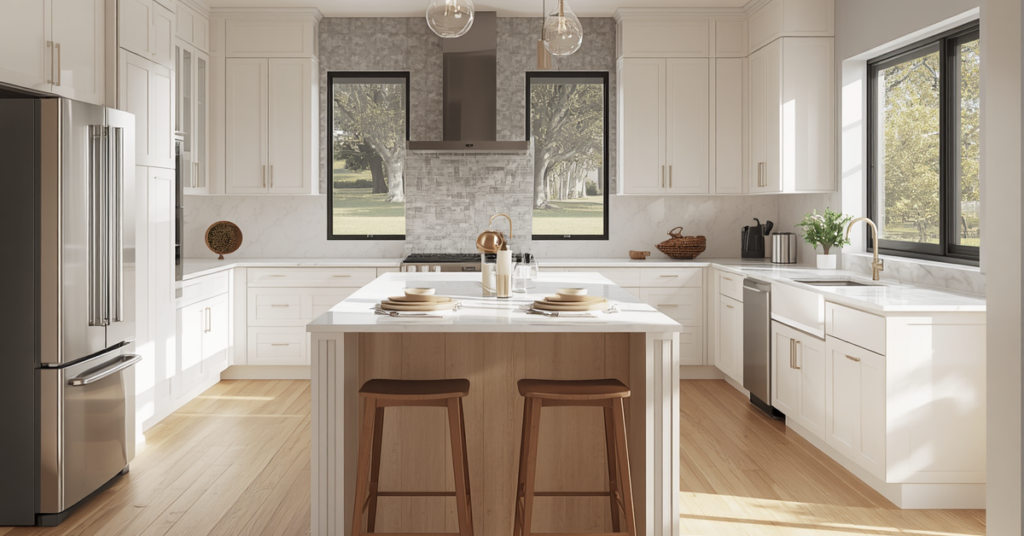
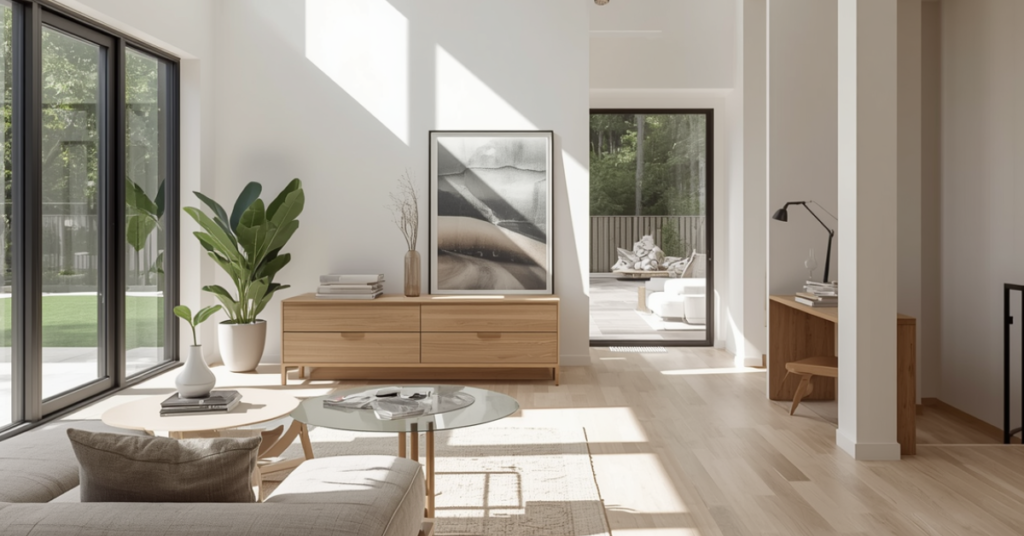
Home remodeling in 2026 is no longer just about aesthetics—it’s about long-term livability, smart investment, and adapting to a changing housing market. Across the U.S., and especially in high-demand regions like Central Oregon, homeowners are choosing to renovate instead of move, driven by rising home values, limited inventory, and higher mortgage rates.
According to the National Association of Home Builders, remodeling activity is expected to grow by about 3% in 2026, continuing a steady upward trend fueled by aging homes and increased home equity. (National Association of Home Builders)
If you’re planning a renovation this year, understanding the biggest trends—and what they mean for your home—is critical.
Why Remodeling Is Booming in 2026
Several major forces are shaping the remodeling landscape:
- Aging housing stock: The average U.S. home is now over 40 years old, increasing the need for upgrades and repairs. (National Association of Home Builders)
- Homeowner “lock-in” effect: Many homeowners are staying put due to low existing mortgage rates. (National Association of Home Builders)
- Rising home equity: More homeowners are using equity to fund renovations instead of buying new homes. (National Association of Home Builders)
In Central Oregon, where housing demand remains strong, these trends are even more pronounced—making remodeling one of the smartest ways to improve your home’s value and functionality.
Trend #1: Remodeling Instead of Moving
One of the most important shifts in 2026 is behavioral: homeowners are choosing to upgrade rather than relocate.
Data from the Harvard Joint Center for Housing Studies shows that remodeling spending is expected to reach over $500 billion in 2026, even as growth stabilizes later in the year. (Joint Center for Housing Studies)
This means more homeowners are:
- Expanding existing spaces
- Reconfiguring layouts
- Investing in long-term improvements
For Central Oregon homeowners, this trend highlights the importance of working with a trusted local builder like Cornerstone Residential to ensure renovations are done correctly and add lasting value.
Trend #2: Function Over Flash
In 2026, homeowners are prioritizing how a space works, not just how it looks.
Design trends show a shift away from purely aesthetic upgrades toward:
- Better storage solutions
- Improved layouts
- Multi-functional spaces
Even kitchen and bathroom remodels—traditionally design-driven—are now focused on efficiency and usability. According to industry insights, kitchens and bathrooms remain the most common remodeling projects nationwide. (National Association of Home Builders)
Trend #3: The Rise of Defined Spaces
For years, open-concept living dominated home design. In 2026, that trend is evolving.
Homeowners are now requesting:
- Dedicated home offices
- Quiet, private living areas
- Flexible multi-use rooms
This shift reflects a broader lifestyle change—homes are no longer just for living, but also for working, exercising, and relaxing.
Trend #4: Wellness-Focused Remodeling
Health and well-being are becoming central to home design.
Modern remodels increasingly include:
- Natural lighting improvements
- Better indoor air quality
- Spa-like bathrooms
- Home gyms or wellness spaces
These features are not just luxuries—they’re becoming expectations, especially for homeowners planning to stay long-term.
Trend #5: Aging-in-Place Design
Another major trend shaping 2026 remodeling is aging-in-place.
The NAHB reports that:
- 56% of remodelers are involved in aging-in-place projects
- Demand for these features has increased significantly in recent years (National Association of Home Builders)
Common upgrades include:
- Wider doorways
- Walk-in showers
- Main-floor living conversions
In Central Oregon, where many homeowners plan to stay in their homes long-term, this trend is particularly relevant.
Trend #6: Sustainable and Energy-Efficient Upgrades
Sustainability is no longer optional—it’s a key priority.
Homeowners are investing in:
- Energy-efficient windows and insulation
- Smart home systems
- Sustainable materials
These upgrades not only reduce environmental impact but also lower long-term operating costs.
Trend #7: Personalization Over Resale
Perhaps the most noticeable shift in 2026 is the move toward personalized design.
Instead of designing homes for resale, homeowners are:
- Choosing bold colors and materials
- Incorporating custom features
- Prioritizing comfort and lifestyle
This reflects a deeper mindset change: homes are being designed for living, not just listing.
What This Means for Central Oregon Homeowners
If you’re planning a remodel in 2026, here’s what to keep in mind:
- Think long-term: Focus on upgrades that improve daily life and future usability
- Prioritize function: Layout and efficiency matter more than trends alone
- Invest wisely: Use your home equity strategically
- Work with experts: Partnering with an experienced local builder like Cornerstone Residential ensures quality results
Remodeling is a significant investment—but when done right, it can dramatically improve both your home’s value and your quality of life.
Final Thoughts
The 2026 remodeling landscape is defined by practicality, personalization, and long-term thinking. With steady market growth, increasing homeowner demand, and evolving design priorities, now is an excellent time to plan a renovation.
For Central Oregon homeowners, the key is not just following trends—but applying them in a way that fits your home, your lifestyle, and your future goals.
Sources
- NAHB Remodeling Growth Forecast 2026
- NAHB 2026 Housing Outlook
- Harvard Joint Center for Housing Studies Remodeling Outlook
- NAHB Remodeling Market Share Report
- NAHB Aging Housing Stock Report
- NAHB Homeowner Mobility & Remodeling Trends